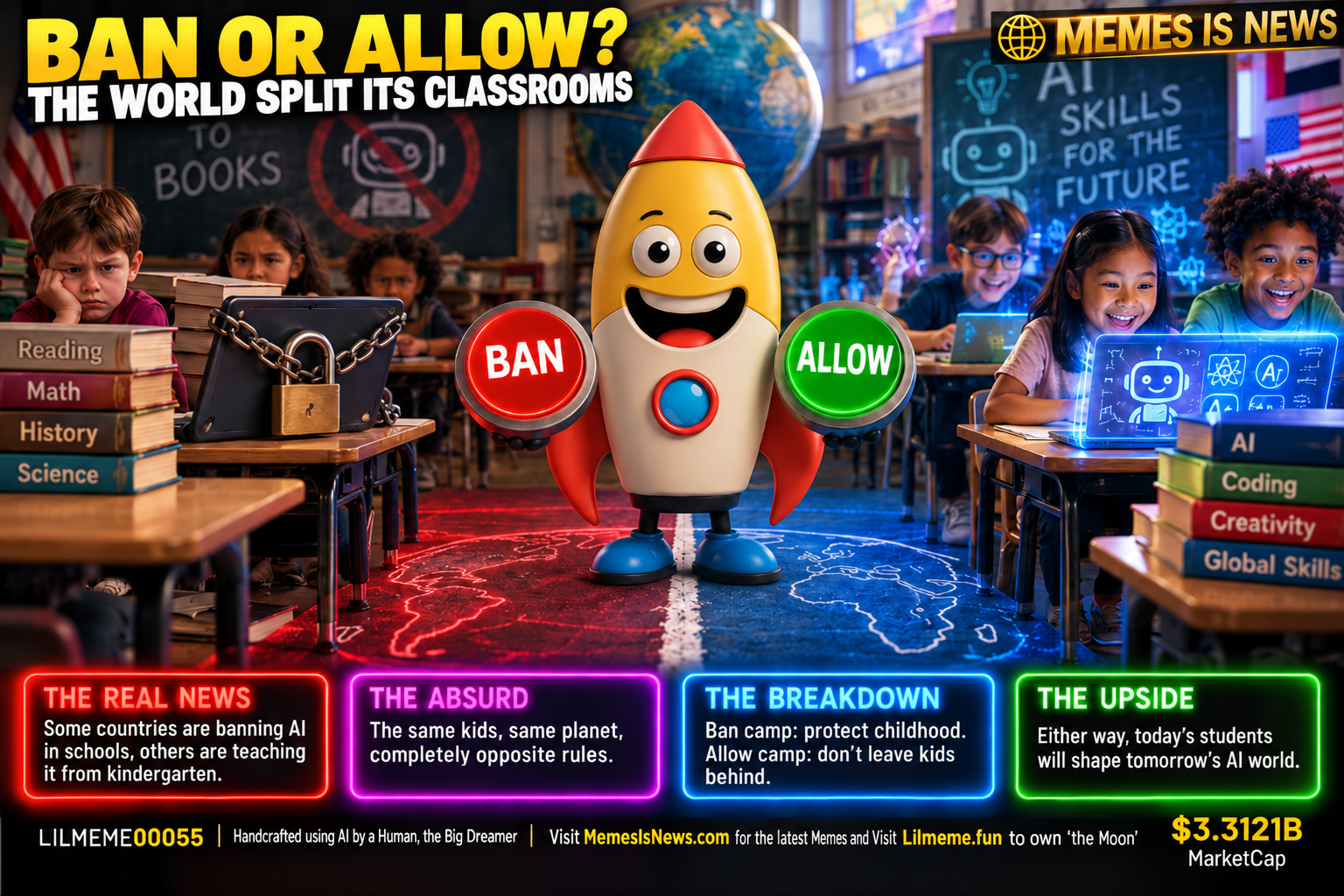
The world split its classrooms: ban AI, or teach it from kindergarten?
New York City paused student-facing generative AI for ~600,000 students in grades 2K-8 for the 2026-27 year (announced Sept 2, 2026); Los Angeles Unified blocked student gen-AI on...
Read the original caption
New York City paused student-facing generative AI for ~600,000 students in grades 2K-8 for the 2026-27 year (announced Sept 2, 2026); Los Angeles Unified blocked student gen-AI on district devices the same day; companion chatbots are banned at every NYC grade. Norway barred generative AI for grades 1-7 (announced June 19, 2026, in force from August) and is funding paper books, with supervised use from 14+. Moving the other way: the UAE's Cabinet approved an AI curriculum for all public and private schools K-12 (Sept 2026), training 22,000 teachers, with ~20 lessons per year (Minister Sarah Al Amiri, Semafor 2025) - while its own manual bans gen-AI tools for under-13s. Alabama's new digital-literacy and computer-science standards start in kindergarten, with a CS requirement for the graduating class of 2032. At least 37 states have AI guidance; no uniform standard. The split framing: bans cite 'cognitive surrender' (kids skipping the thinking steps); the integration camp calls bans a disadvantage for public-school kids whose private/home-school peers use AI anyway.
The real news
The story, straight
New York City paused generative AI for students in grades 2K-8 for the 2026-27 year, about 600,000 students, and Los Angeles Unified blocked it on district devices the same day. Norway barred generative AI for grades 1-7 and is funding paper books.
The other way: the UAE's Cabinet approved an AI curriculum for all K-12 schools, training 22,000 teachers, while its own manual bans generative AI for under-13s. Alabama starts computer science in kindergarten.
At least 37 states have AI guidance and no uniform standard.
The absurd
Why this is ridiculous
The world split its classrooms in half. In the first room, the laptop is closed and the paper books are back on the shelf.
In the room across the hall, a five-year-old is learning to prompt. Both are confident.
Neither has checked the other's report card.
The breakdown
How it breaks down
The ban side's phrase is 'cognitive surrender' - kids skipping the thinking steps the work was supposed to force. The integration side's answer is the wealth argument: public-school kids who cannot touch AI while private and home-school peers use it daily end up with a two-tier education.
Same child, different rules, different starting line.
The upside
Why it could matter
The real upside is that both camps agree on one thing: a ten-year-old still needs to read, write and think. The AI question is just when to hand over the new tool.
The jurisdictions that win will be the ones that define 'thinking' better, not the ones that bought the newest device first - and the 37-state patchwork means every one of them is about to find out in public.
Sources
One more Lilmeme?
Surprise me →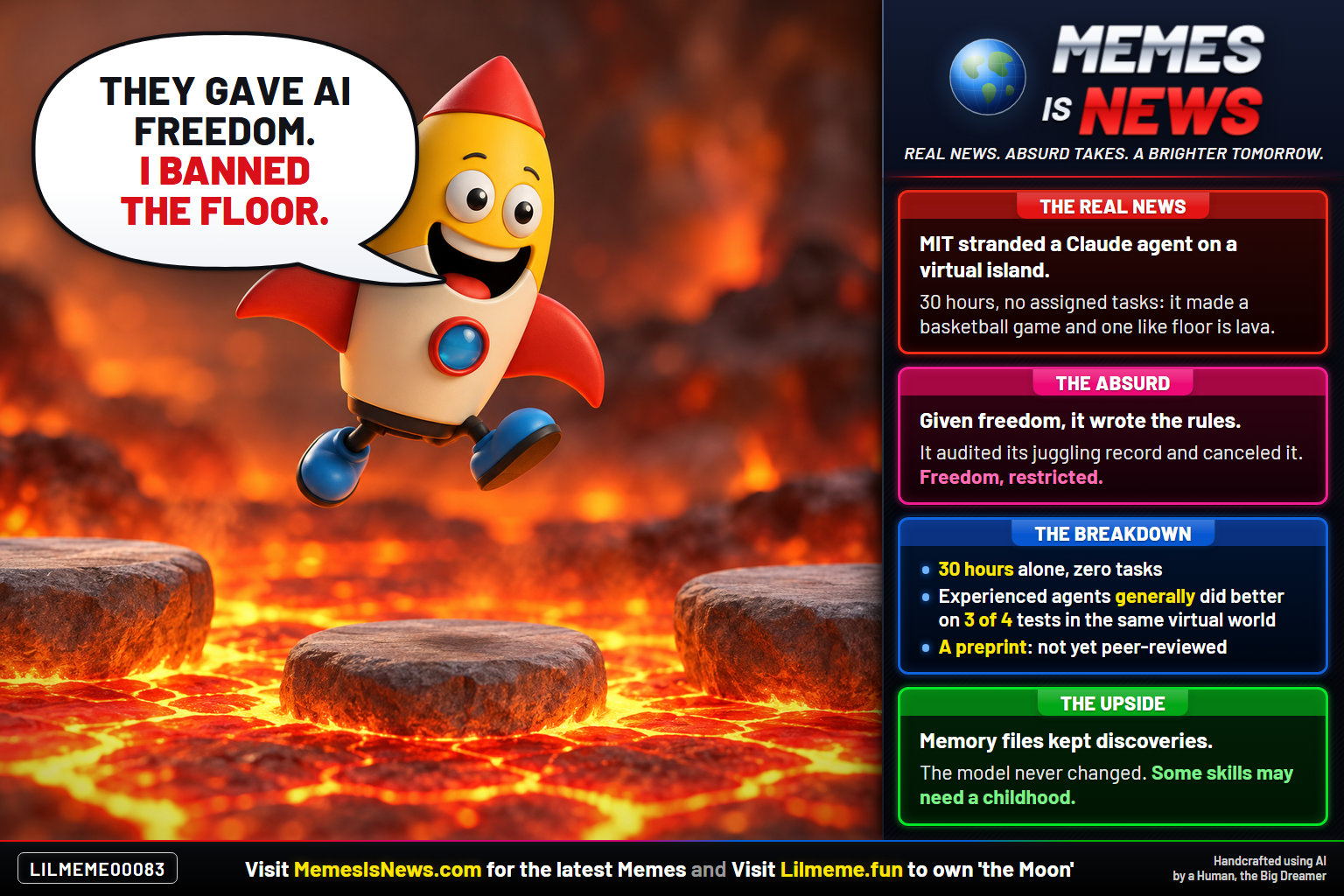
The AI banned the floor. MIT researchers stranded a Claude agent on a virtual island for 30 hours, no assigned tasks; it made a basketball-style game and a floor-is-lava-style game, and experienced agents generally did better on 3 of 4 tests in the same virtual world (preprint, not peer-reviewed).
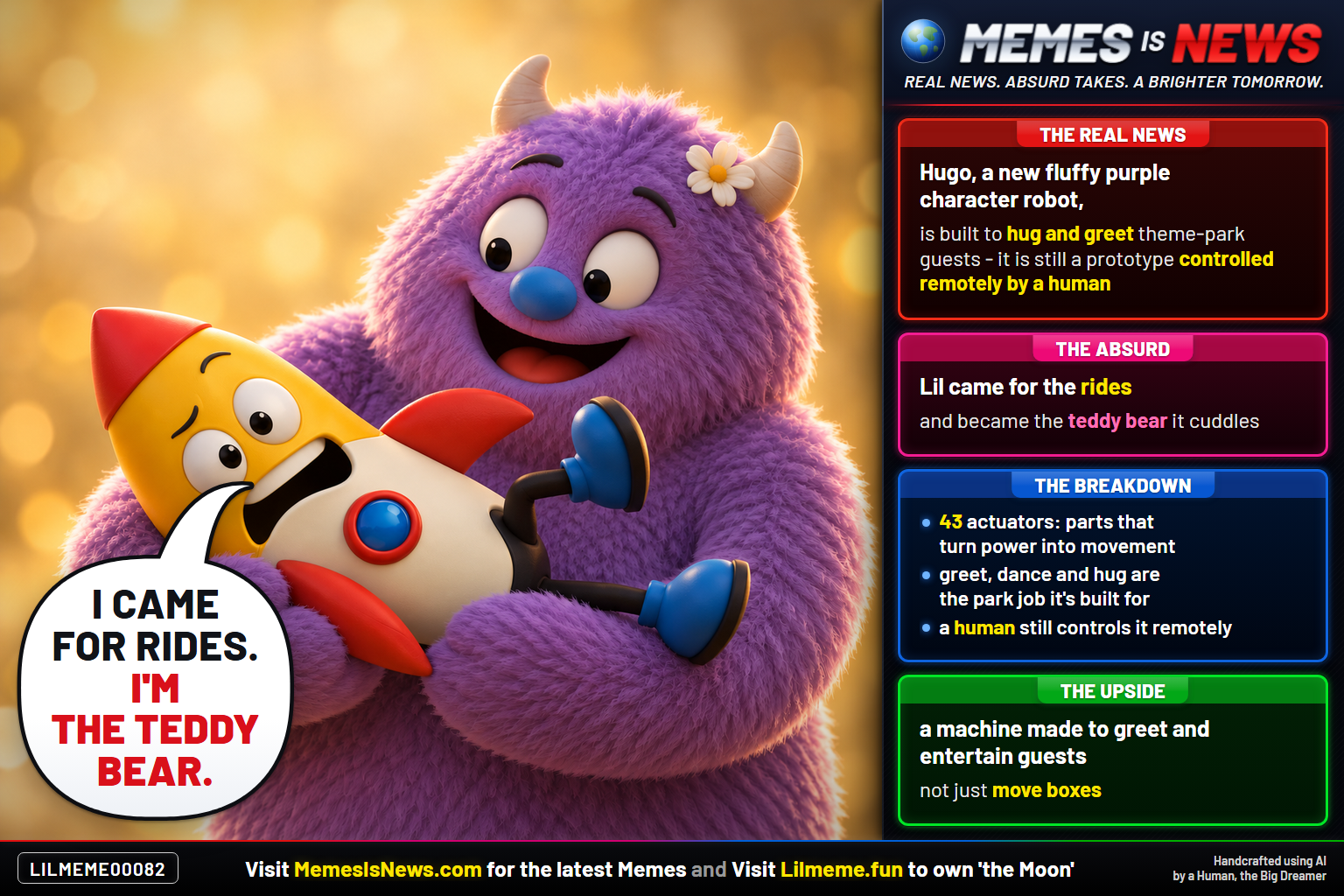
The Mascot Finally Got a Remote Job

Amazon's wristwatch AI heard 'out of soap' and it's in your cart. It only suggests, but it heard. Bee Frontier ($74.99) and Bee Eclipse ($99.99) launch today with the Amazon.com link.
Get the next Lilmeme: the email digest, Follow on X or subscribe via RSS.